

How to Consolidate Shipments from Multiple China Suppliers for Amazon FBA


Sourcing products from multiple suppliers in China is common for Amazon FBA sellers. However, shipping each supplier's order separately can increase freight costs, create more paperwork, and make inventory management more complicated.
Shipment consolidation offers a practical solution. By collecting products from different suppliers at one China warehouse and combining them into a single shipment, sellers can simplify logistics and potentially reduce transportation costs.
This guide explains how to consolidate shipments from multiple China suppliers for Amazon FBA, including warehouse handling, shipping preparation, customs clearance, and delivery to US fulfillment centers.
Shipment consolidation is the process of collecting goods from multiple suppliers, bringing them to one warehouse, and combining them for international transportation.
For example, an Amazon seller may purchase kitchen accessories from Guangzhou, home products from Yiwu, and storage items from Shenzhen.
Instead of shipping each order separately, the seller can send all three orders to a China warehouse before arranging delivery to an Amazon fulfillment center in the United States.
Shipment consolidation can help sellers:
Reduce duplicated shipping arrangements
Combine smaller orders into a larger shipment
Simplify cargo management
Coordinate customs documentation
Arrange centralized quality checks and labeling
The final savings depend on cargo size, warehouse fees, shipping method, and destination charges.
Shipping separately can mean paying for several pickups, export arrangements, and international shipments. Consolidation allows sellers to coordinate these activities through one logistics provider.
Key benefits include:
Lower shipping costs: Combining shipments may reduce the average freight cost per unit, especially when multiple small orders can share transportation capacity.
Simplified logistics: One warehouse and logistics team can coordinate receiving, storage, preparation, and dispatch.
Better inventory control: Sellers can check which products have arrived and identify missing cartons before international shipping.
Consistent FBA preparation: Products from different suppliers can be checked against the same shipment plan and labeling requirements.
Flexible shipping schedules: Sellers can wait for outstanding orders before dispatching the consolidated shipment, subject to storage costs and inventory deadlines.
Consolidation is especially useful for businesses sourcing different products or replenishing several SKUs from multiple Chinese factories.
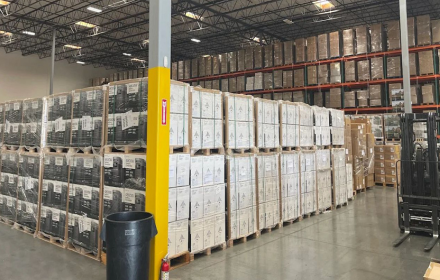
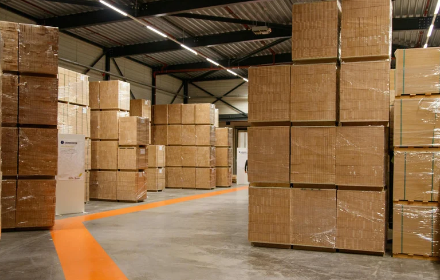
The warehouse is the central point of the consolidation process. It receives goods from suppliers, records incoming inventory, and prepares the combined shipment.
When selecting a China 3PL warehouse, consider whether it offers:
Supplier pickup
Receiving and carton counting
Short-term storage
Product inspection
Carton relabeling
FBA labeling and preparation
Cargo consolidation
Export documentation coordination
Sea and air freight services
Warehouse location also matters. If most suppliers are in Guangdong, a warehouse in or near Guangzhou or Shenzhen may reduce domestic transportation costs. If products come from several provinces, compare pickup charges and delivery times before choosing a warehouse.
Ask for a clear breakdown of receiving, storage, handling, inspection, and outbound shipping fees.
Before purchasing, tell each supplier that the goods will be shipped to a designated consolidation warehouse in China.
Provide the same receiving instructions to every supplier, including:
Warehouse name and full address
Contact person and phone number
Your company or customer reference
Purchase order number
Expected delivery date
Carton quantity
Product description
Ask suppliers to label each carton clearly with the relevant order reference. This helps the warehouse identify shipments from different factories and prevents products from being mixed up.
Also request the final packing list, carton dimensions, gross weight, and product details before dispatch.
Important: Do not assume that a supplier has shipped an order just because production is complete. Obtain tracking information and confirm actual warehouse receipt before scheduling international transportation.
A consolidation plan helps you track every supplier order from dispatch to final shipment.
A basic tracking sheet can include:
| Supplier | Product | Cartons | Status |
|---|---|---|---|
| Supplier A | Kitchen accessories | 8 | Received |
| Supplier B | Storage products | 12 | In transit |
| Supplier C | Home decorations | 6 | Awaiting dispatch |
Update the status as each order moves through the process.
Before consolidation, confirm that all required products have arrived or decide whether it makes sense to ship the available inventory first. Waiting for a delayed supplier can reduce shipping efficiency if storage charges accumulate or FBA stock runs low.
For time-sensitive inventory, compare the cost of waiting against the cost of sending separate shipments.
Consolidation creates an opportunity to check incoming goods before they leave China.
Depending on the service arranged, warehouse checks may include:
Counting cartons
Checking external packaging
Comparing received quantities with packing lists
Photographing visible damage
Verifying product labels
Checking carton dimensions and weight
Identifying missing or incorrectly delivered items
More detailed quality inspections may require a separate service.
If a supplier delivers damaged cartons or incorrect quantities, resolve the issue before dispatch whenever possible. Correcting problems in China is generally easier than handling discrepancies after inventory reaches the United States.
Inspection requirements should be agreed upon in advance so that the warehouse knows what to check and how to report exceptions.
Combining products from different suppliers does not automatically make them ready for Amazon FBA.
Each product must meet the applicable FBA preparation, packaging, and labeling requirements.
Depending on the product and shipment plan, preparation may include:
Applying the required FNSKU labels
Ensuring manufacturer barcodes are eligible for the intended workflow
Checking product packaging
Applying suffocation warnings or other required labels where applicable
Preparing cartons according to Amazon's current requirements
Separating products by SKU and shipment destination
Recording final carton quantities and dimensions
Create the inbound shipment plan in Amazon Seller Central and provide the warehouse with the correct labels and shipping instructions.
Do not mix up product identifiers or apply labels before confirming which labeling method is required for each SKU. Amazon's requirements can vary by product and fulfillment workflow.
After consolidation, select a transportation method based on the combined shipment's weight, volume, urgency, and budget.
| Shipping Method | Best For | Main Consideration |
|---|---|---|
| LCL Sea Freight | Smaller consolidated shipments | Shared container space and additional handling |
| FCL Sea Freight | Larger shipments | Container utilization and total container cost |
| Air Freight | Urgent or higher-value inventory | Higher transportation cost |
| Express Shipping | Small, urgent parcels | Often expensive for larger commercial shipments |
LCL allows several shippers to share container space. FCL provides a dedicated container and may become more economical as shipment volume increases.
However, there is no universal volume threshold at which FCL is always cheaper. Compare the complete cost, including origin handling, export clearance, ocean freight, destination charges, customs clearance, and delivery to the Amazon fulfillment center.
For inventory that is not urgently needed, sea freight is often worth comparing first.
Consolidating cargo does not eliminate the need for accurate import documentation.
The shipment may require:
Commercial invoices
Packing lists
Product descriptions
Correct US HTS classifications
Customs values and country-of-origin information
Importer of Record details
Bill of lading or air waybill
Required product permits or compliance documents
Amazon shipment references and delivery information
The customs documentation must accurately reflect the imported goods and the relevant transaction. A single transportation shipment can contain products with different classifications, values, and regulatory requirements.
Confirm with the customs broker how products from multiple suppliers should be documented and declared.
The Importer of Record remains responsible for ensuring that the import entry is accurate and that applicable duties and fees are paid. Amazon does not act as the importer of record for your inventory.
DDP (Delivered Duty Paid) is commonly used by Amazon sellers who want their logistics provider to coordinate international transportation, import clearance, applicable duties, and final delivery under an agreed service arrangement.
A typical consolidated shipment follows this process:
Multiple Suppliers → China Warehouse → Receiving and Inspection → Consolidation and FBA Preparation → Export Clearance → International Freight → US Customs Clearance → Amazon FBA Warehouse
Before booking, confirm:
Who will act as the Importer of Record
Whether customs brokerage is included
How duties and additional tariffs will be calculated
Whether destination charges are included
Whether delivery to the designated FBA fulfillment center is covered
Whether Amazon appointment and shipment requirements have been addressed
Amazon's US import guidance requires inventory to be shipped under DDP terms. However, DDP does not remove legal import obligations or guarantee that goods will be cleared.
Avoid comparing quotations based only on the freight rate. An itemized quote makes it easier to identify excluded fees and estimate the total landed cost.
Even when consolidation reduces the number of shipments, poor coordination can create delays and unexpected expenses.
Missing carton references: Without clear supplier and order identifiers, warehouse staff may struggle to match incoming goods to purchase orders.
Shipping before all goods arrive: Dispatching too early may create additional freight charges if delayed products must be sent separately.
Incorrect carton measurements: Inaccurate dimensions or weights can lead to quotation adjustments and billing disputes.
Wrong FBA labels: Incorrect SKU or shipment labels can cause receiving problems at Amazon.
Incomplete customs information: Vague product descriptions, incorrect values, and missing importer details can delay clearance.
Ignoring storage fees: Waiting too long for the final supplier may eliminate the savings from consolidation.
Choosing a provider based only on price: Low initial quotations may exclude handling, customs, destination, or final-delivery charges.
To avoid these problems, establish a clear receiving process, track supplier orders, verify final cargo details, and confirm the complete shipping scope before dispatch.
DIDADI Logistics provides China 3PL and international shipping solutions for businesses sourcing products from multiple suppliers.
Depending on the shipment requirements, services can include:
Supplier pickup across supported locations in China
Warehouse receiving and carton counting
Cargo consolidation
Product checks and warehouse handling
FBA labeling and shipment preparation
Sea and air freight
DDP shipping coordination
Customs clearance arrangements
Delivery to designated Amazon fulfillment centers in the United States
For Amazon sellers, consolidating goods at one China warehouse can simplify coordination between suppliers, warehouse operations, freight forwarding, and final delivery.
To request a shipping quotation, prepare the product descriptions, number of cartons, total weight, dimensions, supplier locations, destination FBA address, and required delivery timeline. Include product photos and available HS codes where possible.
This information helps the logistics team assess the appropriate shipping method and identify any handling or customs requirements before the shipment leaves China.
Consolidating shipments from multiple China suppliers can help Amazon FBA sellers simplify logistics, improve inventory visibility, and potentially reduce shipping costs.
The key is to coordinate supplier deliveries, track incoming cartons, inspect goods, complete FBA preparation, and confirm customs documentation before international dispatch.
For smaller shipments, LCL may be a practical starting point. Larger consolidated shipments may benefit from FCL, while air freight can be suitable for urgent inventory.
By comparing total landed costs and working with a China 3PL that understands FBA shipping requirements, sellers can build a more organized and cost-effective supply chain from China to the United States.
Recommended Reading