

Common Mistakes When Shipping from China to Amazon FBA USA


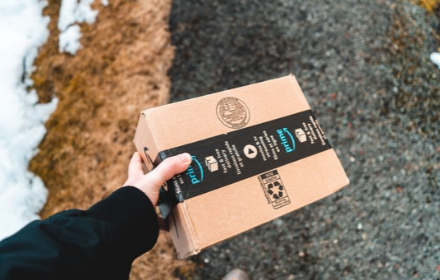
Shipping products from China to Amazon FBA warehouses in the United States involves more than choosing a freight forwarder and booking transportation. Sellers must coordinate product preparation, carton labeling, export documentation, US customs clearance, and delivery to the correct Amazon fulfillment center.
A small mistake before departure can lead to customs delays, additional handling fees, rejected deliveries, or inventory arriving too late for a product launch or restock.
This guide covers 12 common mistakes when shipping from China to Amazon FBA USA and explains how to avoid them.
Incorrect product labels are one of the most preventable FBA preparation mistakes.
Depending on the product and your selected barcode workflow, each unit may need an FNSKU label or an eligible manufacturer barcode. Applying the wrong barcode can cause inventory identification problems during receiving.
Before shipping, confirm that:
The correct barcode method is selected in Seller Central.
Each unit has the required scannable barcode.
Labels match the correct product and variation.
Existing barcodes are covered when required.
Labels are clear, readable, and securely attached.
Do not assume that a supplier's standard retail barcode automatically meets your FBA requirements. Confirm the labeling method before mass production or packaging.
Product labels and shipping box labels serve different purposes. Even when every product is labeled correctly, the shipment can encounter problems if carton labels are missing or incorrect.
Amazon box labels are generated through the shipment workflow. They must correspond to the correct shipment and carton information.
Common errors include:
Reusing labels from an old shipment plan
Applying the wrong label to a carton
Printing labels that are blurred or damaged
Covering barcodes with tape
Failing to label every required carton
Generate labels from the active shipment plan and provide the correct files to your factory or China warehouse.
Before dispatch, verify the labels against the final carton count and make sure each barcode can be scanned.
Products can be prepared correctly but still encounter receiving problems because their outer cartons do not meet the applicable shipping requirements.
Amazon has packaging and routing rules for shipments delivered by small parcel, less-than-truckload (LTL), and full-truckload (FTL) transportation.
Check the current requirements for:
Carton dimensions and weight
Secure carton closure
Product protection during transportation
Required carton markings
Pallet specifications, if applicable
Special packaging for fragile or regulated products
For example, standard cartons may be subject to weight limits, while certain individual oversized items have exceptions. Do not apply a single rule to every type of shipment.
Ask your supplier or warehouse to measure and weigh the final packed cartons, rather than relying on estimates from the original purchase order.
Booking freight before finalizing the shipment plan can create avoidable problems.
Your Amazon shipment details may include the destination fulfillment center, product quantities, carton information, and shipment labels. If these details change after packing or dispatch, the logistics team may need to revise documentation or resolve delivery discrepancies.
Before releasing cargo, confirm:
The shipment plan is active and ready.
The destination address is correct.
Product quantities match the plan.
Final carton measurements and weights are available.
Required box labels have been applied.
The carrier has the necessary shipment references.
Avoid creating labels too early if the final packing configuration is still changing. A last-minute carton or quantity adjustment can make previously prepared labels and shipment information inaccurate.
The cheapest transportation option is not always the most economical choice for your business.
Sea freight generally suits larger shipments with flexible delivery schedules. Air freight can be useful for urgent replenishment, while express shipping may suit smaller, time-sensitive consignments.
| Shipping Method | Best Suited For | Main Consideration |
| Sea freight LCL | Smaller commercial shipments | Shared container space and additional handling |
| Sea freight FCL | Larger shipments | Container utilization and total cost |
| Air freight | Urgent replenishment | Higher transportation costs |
| Express courier | Small, urgent shipments | Cost can rise quickly with weight and volume |
A common mistake is choosing sea freight for every shipment without considering stock levels, or paying for air freight because inventory was ordered too late.
Plan backward from your expected selling date. Include production, warehouse preparation, export handling, international transit, customs clearance, final delivery, and Amazon receiving time.
Comparing freight quotations by one headline rate can lead to an inaccurate budget.
A quote may cover international transportation but exclude warehouse handling, export clearance, destination charges, customs brokerage, duties, or delivery to the Amazon fulfillment center.
Before booking, request an itemized quotation covering the relevant services:
Supplier pickup in China
Warehouse receiving and handling
FBA labeling and preparation
Export customs clearance
International freight
US port or airport handling
Customs brokerage and applicable duties
Final delivery to the designated FBA warehouse
Also confirm how chargeable weight or cargo volume is calculated and whether the quote includes potential surcharges.
The goal is to compare the total expected logistics cost, not simply select the lowest initial rate.
DDP (Delivered Duty Paid) is commonly used for shipping inventory to Amazon FBA because Amazon requires inbound inventory to arrive without unpaid shipping charges, duties, or taxes collected from Amazon.
However, selecting DDP does not automatically guarantee successful customs clearance.
Before booking, clarify:
Who will act as the Importer of Record (IOR)
Who will arrange customs entry
How duties and additional tariffs will be determined
Which customs and delivery fees are included
What information and documents you must provide
How customs questions or inspections will be handled
Amazon will not act as the Importer of Record for your FBA inventory. The IOR is responsible for applicable import obligations, including accurate declarations and payment of assessed duties and fees.
A reliable shipping arrangement should explain these responsibilities clearly instead of simply promising “all-inclusive DDP.”
US customs clearance depends on accurate shipment information. Incomplete or inconsistent documents can lead to requests for clarification, delays, additional costs, or compliance issues.
Typical documents and information may include:
Commercial invoice
Packing list
Product descriptions
Customs classification, such as the applicable HTS code
Country of origin
Transaction value and currency
Importer of Record details
Bill of lading or air waybill
Required permits or compliance documents
Descriptions such as “accessories,” “plastic products,” or “general merchandise” may be too vague for proper classification and review.
Provide the customs broker with specific, accurate descriptions of the products, their materials, intended use, quantities, and values. Never understate values or use an incorrect product classification simply to reduce import costs.
If your shipment contains different products, confirm how each item should be declared.
Not every product can be imported into the United States or accepted by Amazon FBA without additional requirements.
Depending on the product, you may need safety testing, certifications, labeling, permits, or other compliance documentation. Requirements can differ for electronics, batteries, children's products, food-contact items, cosmetics, and other regulated categories.
Before placing a large order, check both US import requirements and Amazon's product eligibility policies.
Ask your supplier for available test reports, certificates, technical specifications, and product labels. Have the relevant compliance requirements reviewed before the cargo leaves China.
Do not assume that a supplier's claim of being “export-ready” means the product meets all US requirements. Discovering a compliance problem after shipment can be significantly more expensive than checking it before production.
Amazon may assign different fulfillment center destinations through its shipment workflow. Sellers should not assume that every shipment can be delivered to the same warehouse.
Using an outdated address, an incorrect shipment reference, or delivery instructions from a previous order can cause routing problems.
To prevent this:
Use the destination provided by the current shipment plan.
Check the complete address before issuing shipping documents.
Give the correct shipment references to your freight forwarder.
Confirm whether delivery appointments are required.
Verify who is responsible for arranging the appointment for palletized or truckload freight.
Do not manually substitute another Amazon warehouse because it appears closer or more convenient. Any change should follow Amazon's applicable shipment procedures.
When different parties handle manufacturing, labeling, export clearance, and transportation, communication gaps can cause delays.
For example, a factory may finish production but fail to send the final carton dimensions. A freight forwarder may book transportation before all cartons are ready, or a warehouse may receive unlabeled cartons that are difficult to identify.
Create a clear shipping workflow:
Supplier Production → China Warehouse Receiving → Product Checks and FBA Preparation → Shipment Verification → Export Clearance → International Freight → US Customs Clearance → Amazon FBA Delivery
Assign responsibility for each stage and confirm the status before moving to the next one.
For shipments involving multiple suppliers, use a central China warehouse to collect goods, check carton quantities, consolidate cargo, and coordinate preparation when appropriate.
This approach can improve visibility and help identify missing goods before international transportation begins.
A low freight quotation may look attractive, but it does not necessarily represent the best overall service.
Shipping to Amazon FBA requires coordination between international transportation, customs clearance, shipment documentation, and warehouse delivery. A provider unfamiliar with FBA requirements may overlook details that create costly problems later.
Before choosing a logistics provider, ask:
Does the provider handle China-to-US Amazon FBA shipments regularly?
Can it arrange FBA labeling and preparation?
Does it coordinate US customs clearance?
Is the Importer of Record responsibility clearly defined?
Are destination charges and final delivery included?
Can it provide shipment updates and explain delays?
Does it understand Amazon's current packaging and delivery requirements?
Request a written breakdown of the service scope and excluded charges. Confirm who is responsible for correcting labeling or documentation problems before the cargo is dispatched.
The best choice is a provider that can explain the process, identify potential risks, and give you a realistic cost and delivery plan.
DIDADI Logistics provides China-based 3PL and international shipping solutions for e-commerce sellers and importers.
Depending on the shipment requirements, services can include:
Supplier pickup and China warehouse receiving
Cargo consolidation and handling
Product checks and FBA preparation
FBA labeling and carton coordination
Sea and air freight
DDP shipping coordination
US customs clearance arrangements
Delivery to designated Amazon fulfillment centers
Before requesting a quotation, prepare your product details, photos, carton count, total weight, dimensions, supplier location, FBA destination, and expected delivery timeline. Include available HS codes and compliance documents where relevant.
Providing accurate information early helps the logistics team assess the shipment, identify potential requirements, and clarify the complete shipping scope before the cargo leaves China.
Shipping from China to Amazon FBA USA becomes easier to manage when sellers prepare their products, labels, documents, and delivery arrangements before booking transportation.
The most common mistakes include incorrect FNSKU or box labels, non-compliant packaging, incomplete customs documents, unclear Importer of Record arrangements, poor shipping schedules, and choosing a provider based only on price.
A practical pre-shipment checklist and clear coordination among your supplier, warehouse, and freight forwarder can help reduce avoidable delays and unexpected costs.
Before dispatch, verify the latest Amazon requirements, confirm US import responsibilities, and compare the full logistics cost. Proper preparation in China can make the journey to your US FBA warehouse more predictable.
Recommended Reading