

Shenzhen to Germany Shipping: Complete Logistics Guide



Shenzhen is one of China's major export and manufacturing hubs, making it an important starting point for businesses shipping products to Germany. From electronics and consumer goods to machinery and industrial components, German importers can choose from several transportation options depending on their cargo volume, delivery schedule, and budget.
However, shipping from Shenzhen to Germany involves more than selecting a freight service. Businesses need to coordinate supplier pickup, export customs clearance, international transportation, German import procedures, duties and VAT, and final delivery.
This guide explains the main shipping methods from Shenzhen to Germany, compares their costs and transit considerations, and covers the logistics process from the supplier's warehouse to the German delivery address.
Shenzhen is located in Guangdong Province in southern China and is part of the Greater Bay Area manufacturing and logistics network.
It is particularly important for international trade in:
Consumer electronics and electronic components
Computer accessories and communication equipment
Household products and appliances
Industrial machinery and components
Lighting products and accessories
General merchandise and e-commerce inventory
For German businesses sourcing from Shenzhen and nearby manufacturing areas, the city offers access to established export infrastructure, international airports, container terminals, and logistics providers.
Another advantage is supplier consolidation. If your products come from several factories in Shenzhen, Dongguan, Huizhou, or other nearby cities, they can be collected and transported to one warehouse before international shipment.
This can simplify cargo inspection, packaging, documentation, and shipment planning.
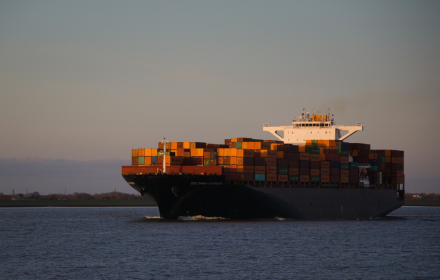
Sea freight is a common option for businesses shipping commercial cargo from Shenzhen to Germany, particularly when the shipment is too large or heavy for economical air transportation.
There are two main sea freight options.
FCL (Full Container Load)
FCL means booking an entire container for your shipment.
Common container types include:
20GP: Standard 20-foot container
40GP: Standard 40-foot container
40HQ: 40-foot high-cube container
FCL is suitable for large-volume cargo, regular inventory replenishment, machinery, furniture, and other commercial shipments.
LCL (Less than Container Load)
LCL allows multiple importers to share container space. Your goods are consolidated with other shipments at the origin and separated at the destination.
It is suitable for smaller shipments that do not require a full container.
| Comparison | FCL | LCL |
| Container Space | Dedicated container | Shared container |
| Pricing Basis | Container type | Chargeable volume or weight |
| Best For | Large shipments | Smaller shipments |
| Cargo Handling | Generally fewer consolidation stages | Consolidation and deconsolidation required |
| Main Cost Consideration | Container freight and local charges | Freight plus handling charges |
When comparing FCL and LCL, calculate the complete cost rather than looking at the ocean freight rate alone. LCL shipments may involve additional warehouse handling, documentation, and destination charges.
Air freight is suitable for businesses that need to move cargo faster than standard ocean freight.
Shipments can depart from Shenzhen Bao'an International Airport or use Hong Kong as an alternative gateway, depending on the cargo, airline capacity, and available routing.
Air freight is commonly used for:
Electronics and accessories
Product samples
Urgent replacement parts
High-value commercial products
Time-sensitive inventory replenishment
Air freight is generally priced according to chargeable weight, which is determined by comparing actual gross weight with volumetric weight.
Volumetric weight formula:
Volumetric Weight (kg) = L × W × H (cm) ÷ 6,000
For example, assume you are shipping 20 cartons, each measuring 60 × 50 × 40 cm.
Total volume = 20 × 60 × 50 × 40 ÷ 1,000,000 = 2.4 CBM
Volumetric weight = 20 × 60 × 50 × 40 ÷ 6,000 = 400 kg
Actual gross weight = 350 kg
Chargeable weight = 400 kg
If the quoted air freight rate is R per kilogram:
Air Freight Cost = 400 × R
The divisor and chargeable-weight rules may vary by carrier and service. Confirm the applicable calculation before booking.
Rail freight is another option for businesses moving commercial cargo between China and Germany.
However, Shenzhen-origin rail shipments may involve an additional domestic transportation stage. Cargo can be moved from Shenzhen to an inland rail departure hub before entering a China-Europe rail service.
Depending on the service and routing, cargo may arrive at German or other European inland terminals before being transported to its final destination.
Rail freight may be worth considering for:
Medium-sized commercial shipments
Planned inventory replenishment
Cargo that is less urgent than air freight
Businesses comparing alternatives to ocean transportation
Before booking, confirm the actual departure terminal, destination terminal, transfer arrangements, customs procedures, and final delivery service.
Do not assume that every rail service from China delivers directly to the German recipient's warehouse. The complete door-to-door route should be confirmed in the quotation.
There is no single fixed price for shipping from Shenzhen to Germany. The final cost depends on several factors:
Cargo Volume and Weight
FCL is generally quoted by container type, while LCL and air freight use their respective chargeable volume or weight rules.
Shipping Method
Sea, air, and rail freight have different pricing structures and handling requirements.
Pickup Location
A supplier located near Yantian or Shekou may have different origin transportation costs from one located farther away.
Cargo Characteristics
Oversized, fragile, battery-powered, magnetic, or regulated products may require special handling or documentation.
Destination Address
Delivery to Hamburg, Frankfurt, Berlin, Munich, or another German city can involve different inland transportation charges.
Service Scope
A port-to-port quotation is different from a door-to-door quotation that includes customs clearance and final delivery.
Use the following formulas to compare the main transportation options:
| Shipping Method | Basic Cost Calculation |
| Sea FCL | Container Freight + Origin Charges + Destination Charges |
| Sea LCL | Chargeable CBM or W/M × Rate |
| Air Freight | Chargeable Weight × Rate |
| Rail Freight | Chargeable Quantity × Applicable Rate |
For LCL, a common weight-or-measurement convention compares 1 CBM with 1,000 kg. Actual rating rules and minimum charges depend on the service provider.
For FCL, remember to include container freight, local charges, customs clearance, and inland delivery when estimating the total shipment cost.
For importers who prefer not to coordinate separate transportation providers, door-to-door shipping can combine multiple logistics stages into one service arrangement.
A typical process includes:
Supplier Pickup: Collect goods from the factory or supplier's warehouse.
Warehouse Receiving: Check carton quantities, cargo condition, dimensions, and weight.
Cargo Consolidation: Combine shipments from multiple suppliers if required.
Export Customs Clearance: Prepare and submit the necessary export documentation.
International Freight: Transport the cargo by sea, air, or rail.
German Import Clearance: Complete the import customs declaration and settle applicable charges.
Final Delivery: Arrange transportation to the buyer's warehouse, factory, or business address.
Door-to-door shipping can be arranged under different delivery terms. Importers should distinguish between DAP and DDP:
| Item | DAP | DDP |
| Transportation to Named Destination | Seller | Seller |
| Import Customs Clearance | Buyer | Seller |
| Import Duties | Buyer | Seller |
| Import VAT | Buyer | Seller |
Under DAP, the buyer generally handles import clearance and applicable import duties and taxes.
Under DDP, the seller takes responsibility for import clearance and applicable duties and taxes, subject to the agreed arrangement and legal requirements.
For German businesses, confirm who acts as importer of record, who pays import VAT, and whether the service provider can legally handle the relevant customs and tax responsibilities. DDP does not automatically remove separate VAT registration or reporting obligations.
Goods shipped from Shenzhen to Germany must comply with EU customs requirements and applicable German import regulations.
Before shipping, businesses should prepare the following:
EORI Number
An EORI number is generally required for businesses carrying out customs operations in the EU. Importers should confirm that their registration is valid before the shipment arrives.
HS Code and Customs Classification
The correct tariff classification is essential for determining customs duty and identifying any additional import requirements.
Commercial Invoice
The invoice should contain accurate product descriptions, quantities, transaction values, seller details, and buyer information.
Packing List
The packing list should show carton quantities, dimensions, gross weight, and net weight where applicable.
Product Compliance Documents
Some products require additional documentation, testing, declarations of conformity, or other regulatory evidence before they can be imported or sold in Germany.
German import VAT is generally 19% for standard-rated goods, although certain goods may qualify for a reduced rate. Customs duty depends on the product's tariff classification, origin, and applicable trade measures.
For example, assume a shipment has:
Customs value: €10,000
Illustrative customs duty rate: 5%
Standard import VAT rate: 19%
Simplified calculation:
Customs duty = €10,000 × 5% = €500
Simplified VAT base = €10,000 + €500 = €10,500
Import VAT = €10,500 × 19% = €1,995
Total illustrative duty and import VAT = €2,495
This is only an example. The actual VAT base may include additional relevant costs, and the applicable customs duty must be checked against the correct TARIC classification and origin information.
Businesses can manage transportation expenses by improving shipment planning and controlling avoidable logistics costs.
Consolidate Multiple Suppliers
If you purchase from several factories in Shenzhen, Dongguan, or nearby manufacturing areas, arrange to collect the goods at one warehouse before export. This can simplify cargo management and reduce repeated transportation arrangements.
Choose the Right Shipping Method
Compare FCL and LCL for sea freight, and evaluate air and rail for shipments with different delivery requirements.
Optimize Carton Dimensions
Unnecessary packaging increases cargo volume and may increase chargeable weight, especially for air freight.
Plan Inventory Replenishment
Avoid last-minute shipments whenever possible. Advance planning gives you more flexibility to compare schedules and transportation options.
Check All Destination Charges
Ask for a complete breakdown of destination handling, customs clearance, and final delivery fees before confirming the shipment.
Compare Total Landed Cost
A lower international freight rate does not necessarily mean a lower final cost. Include customs duties, VAT, handling, and inland transportation in your comparison.
Even with an experienced freight forwarder, importers should pay attention to several common issues.
Incomplete Cargo Information: Missing dimensions, weight, or product details can lead to inaccurate quotations.
Incorrect Customs Classification: An incorrect HS code may result in customs delays or incorrect duty calculations.
Unexpected Charges: Destination handling, inspections, storage, and additional delivery fees may not be included in the initial quote.
Product Compliance Issues: Certain electronics, machinery, toys, and other regulated products may require additional documentation.
Unclear Delivery Terms: Importers may mistakenly assume that every door-to-door service includes customs duties and VAT.
Poor Supplier Coordination: Delayed cargo readiness from one supplier can affect the consolidation and departure schedule.
To reduce these risks, confirm product details, shipping arrangements, customs responsibilities, and delivery requirements before cargo pickup.
To receive an accurate freight quotation, prepare the following information:
| Required Information | Example |
| Pickup Location | Shenzhen, Dongguan, Huizhou |
| Destination | Hamburg, Frankfurt, Berlin, Munich |
| Product Description | Electronics, furniture, machinery |
| Carton Quantity | 20 cartons |
| Dimensions | 60 × 50 × 40 cm per carton |
| Gross Weight | 350 kg |
| Total Volume | 2.4 CBM |
| Cargo Type | General cargo, battery cargo, etc. |
| Shipping Method | FCL, LCL, air, or rail |
| Delivery Address | Port, warehouse, or business address |
| Customs Arrangement | DAP, DDP, or buyer-managed clearance |
For special cargo, provide product photos, battery specifications, safety data sheets, and relevant certificates where applicable.
If you are collecting goods from multiple suppliers, also provide each supplier's pickup address and estimated cargo-ready date.
Complete information helps the freight forwarder check cargo suitability, select an appropriate route, and provide a more accurate quotation.
Shipping from Shenzhen to Germany offers several options for business importers. Sea freight is commonly used for large commercial shipments, LCL accommodates smaller cargo volumes, air freight suits urgent goods, and rail freight provides an alternative for selected China-Europe routes.
The right choice depends on cargo volume, product characteristics, delivery schedule, customs requirements, and the final destination in Germany.
For businesses sourcing from multiple factories, a China-based 3PL can also coordinate supplier pickups, cargo consolidation, warehouse handling, export arrangements, and international transportation.
DIDADI Logistics provides China-based logistics and fulfillment solutions for business importers shipping to Germany and other major markets, including the USA, Canada, the EU, the UK, and Australia.
Before booking, compare the complete logistics cost and confirm the customs and delivery arrangements—not just the international freight rate.
Recommended Reading